Chapter 12
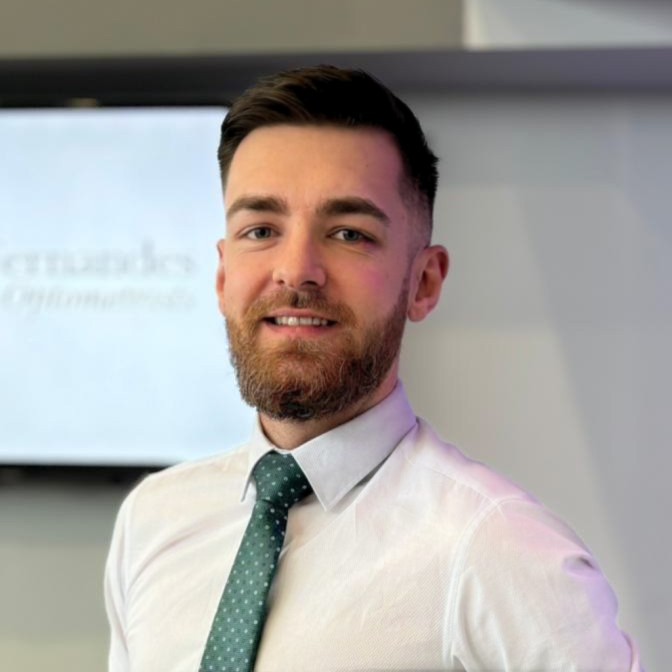
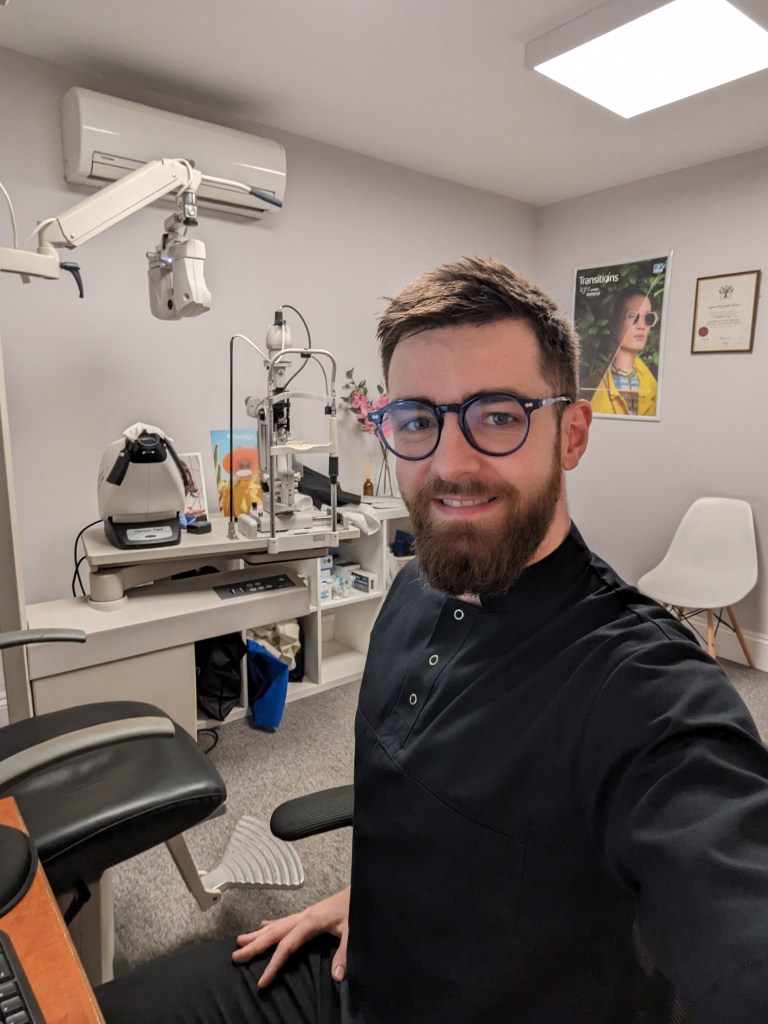
I returned to work in March 2024.
A Full Circle Moment
It had been exactly ten years since I’d first started with the Lynne Fernandes Optometrists. A full circle moment. A bit of a homecoming, really. (Cue Kanye music.)
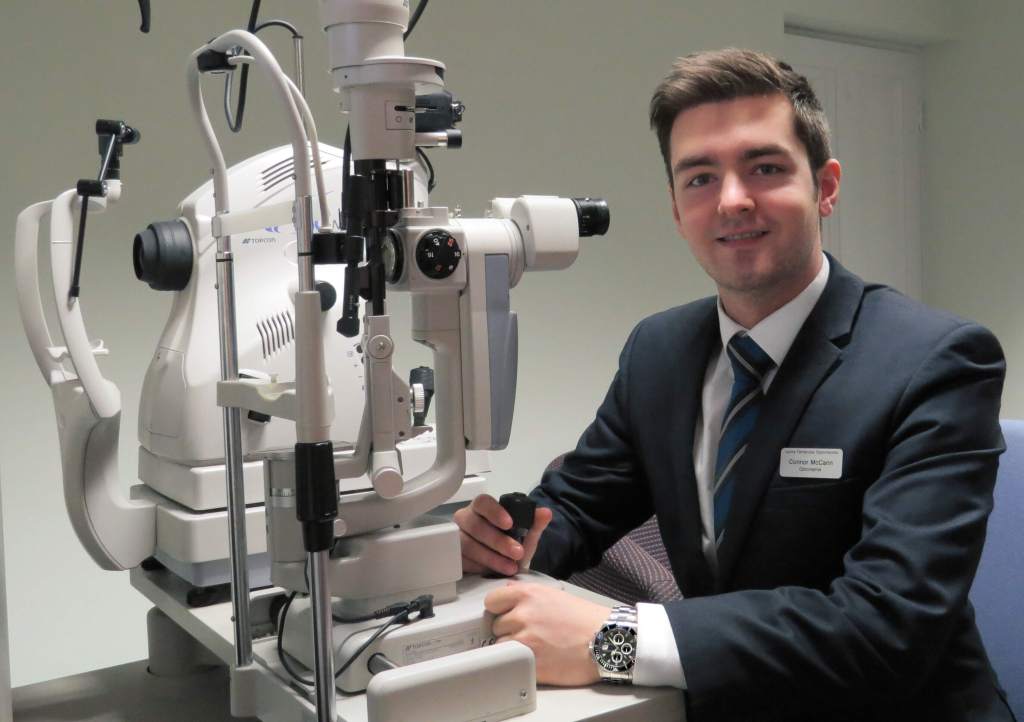
2014
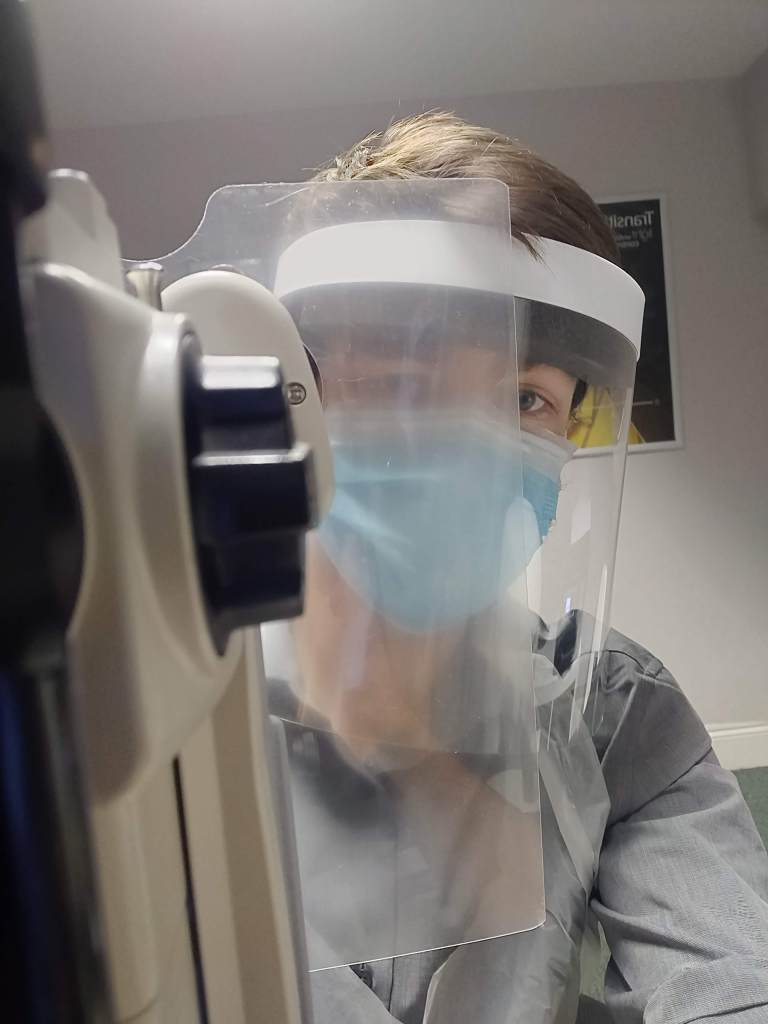
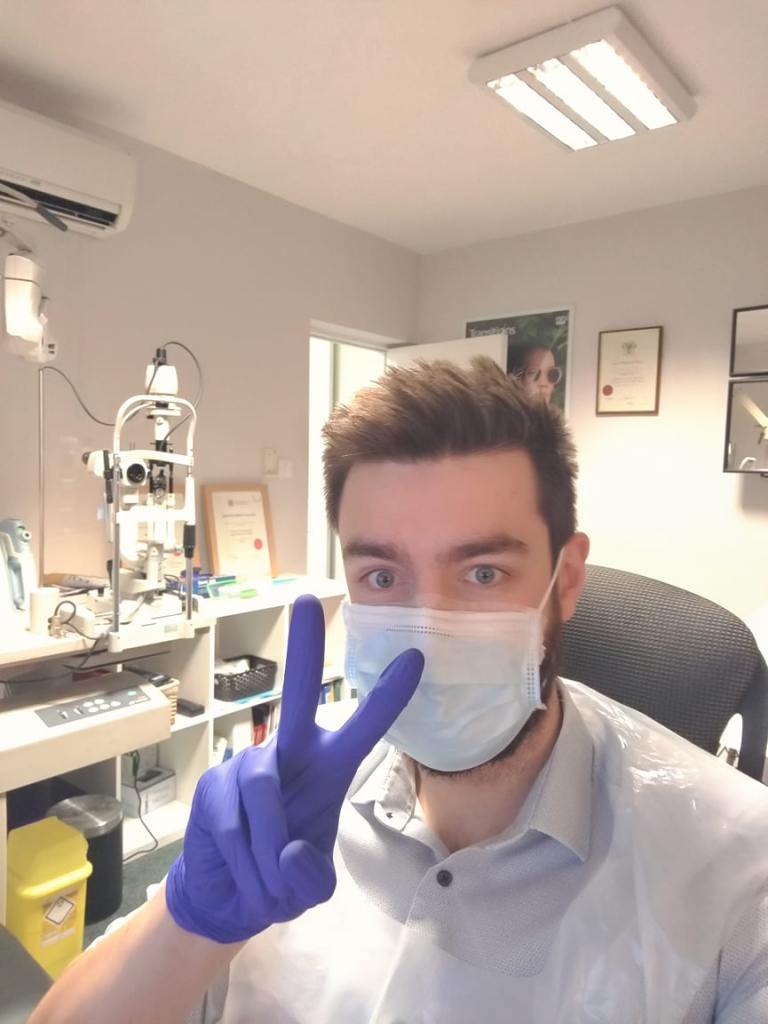
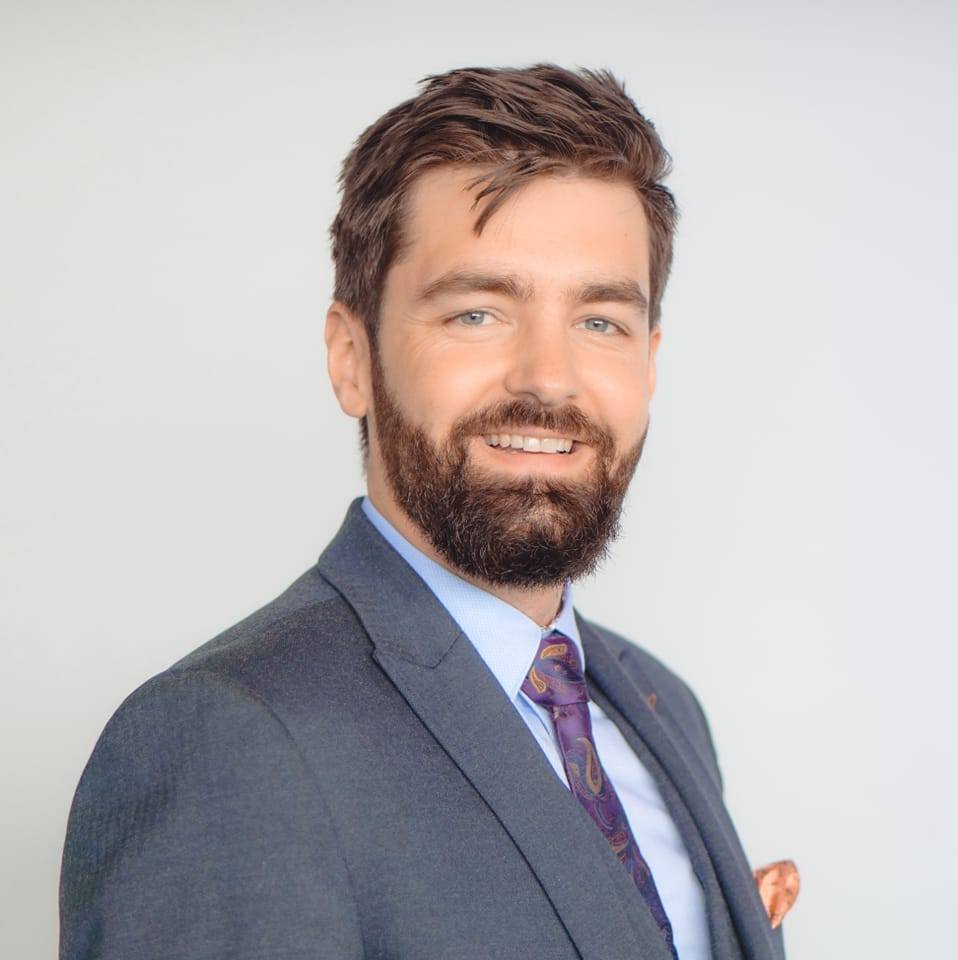
 2022
2022Back then, if you’d told me what was coming, the diagnosis, the surgery, the recovery, the uncertainty, I wouldn’t have believed you. And I’m not sure I would’ve wanted to.
The road back wasn’t a straight line. It took time, effort, and a bit of legal ping-pong between the AOP (my legal reps) and the GOC (our regulatory body). But eventually, after all the paperwork, I was officially declared fit to practice. The moment came down to one key thing: a letter from Dr Iyer, giving me the all-clear.
And yet here I was. I was back. I was alive. And I was ready to do something meaningful with my time and brainpower.
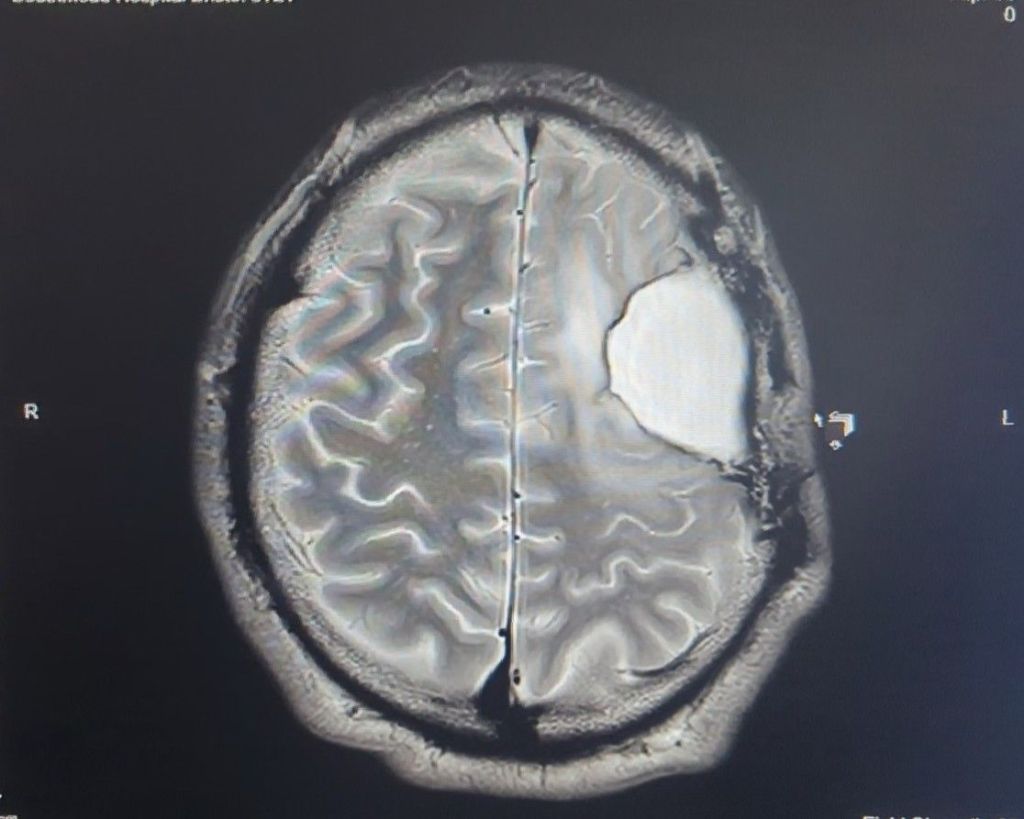
And, if I’m being honest, I was more than ready to take some pressure off financially. What had once been a slowly growing house deposit fund had morphed, almost overnight, into an “Oh f*ck, I’ve got a brain tumour” emergency fund. Even with careful budgeting, watching my savings drain was like watching a reservoir dry up over a long summer. (And yes, the American healthcare costs associated with the cluster seizures I had over there, didn’t help.)
Returning to Something That Felt Like Stability
Returning to work felt like pulling the ripcord mid-freefall, a sudden jolt, a rush of movement, and then, finally, a slow drift back toward something that looked and felt like stability. Serenity and silence for my mind. At least for a little while.
Back on Set, But Everything Had Changed
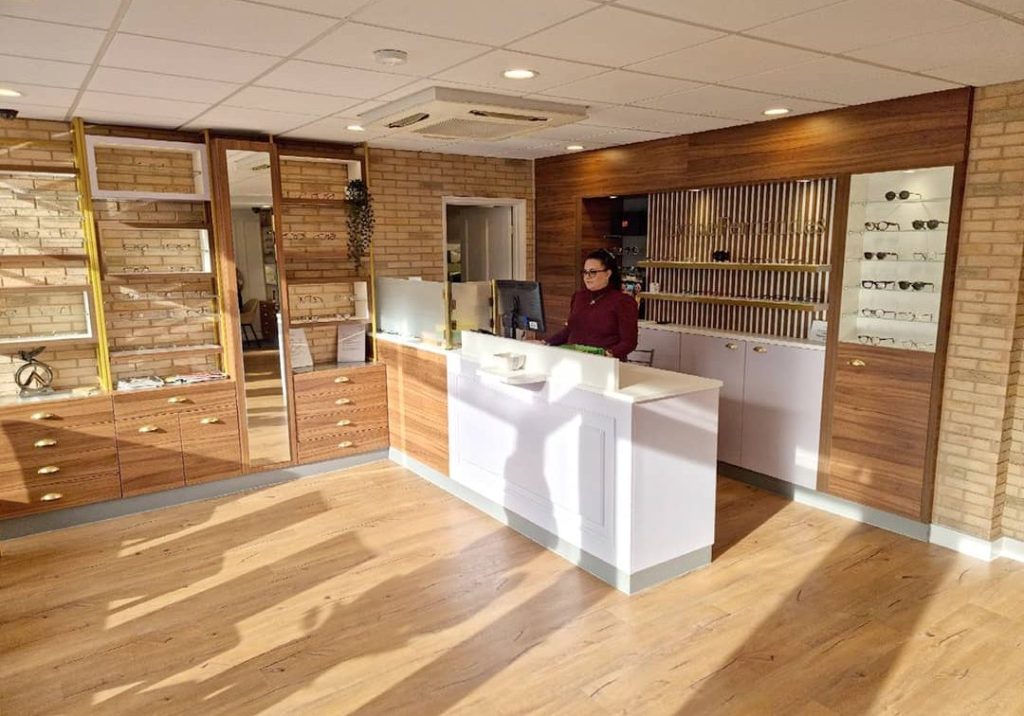
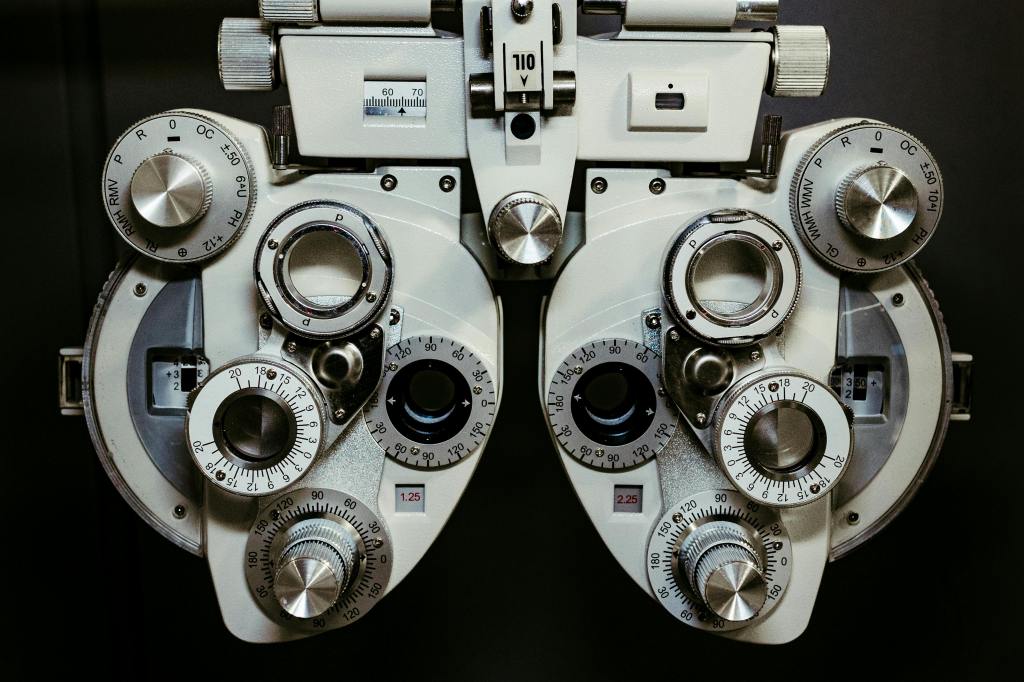
Walking back through the doors of the practice felt surreal. Some faces were familiar; others, entirely new. The practice had been fully refitted, complete with a sleek new shopfront. It looked smarter. Sharper. A rebooted version of a show I’d once starred in, and now was stepping back onto the set of.
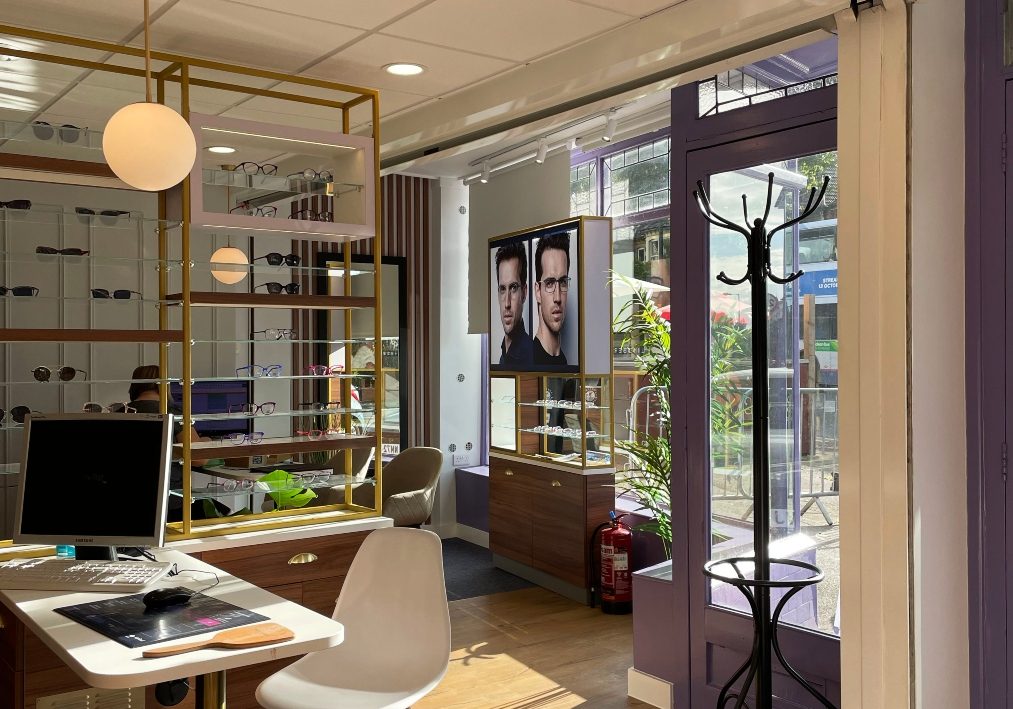
It had only been 13 months since I’d last stood there. But in many ways, it felt like another lifetime.
There were new team members to meet. I had to find my rhythm again. Build up flow. Relearn the pace of things. I was a man on a mission, though what exactly I needed to prove, I wasn’t entirely sure. Maybe it was just to myself. Maybe I just needed to know I could still do it.
What grounded me was the reminder that, at its core, my job hadn’t changed. The fundamentals were still there. I just needed to find my way back into them.
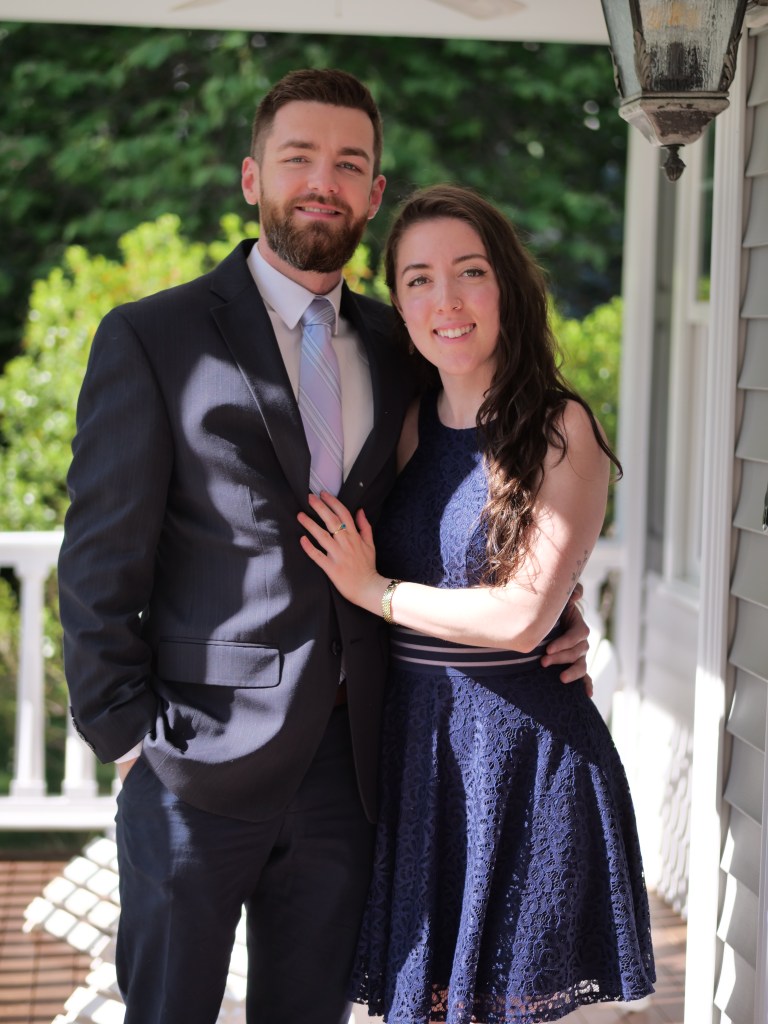
In many ways, I was the healthiest and happiest I’d ever been, and I credit a lot of that to Jessica, my partner. Her patience, her values, her quiet belief in me–they carried me through more than she’ll ever know.
A Different Animal
Still, there was that lingering question in the back of my mind: how did people see me now?
Did they see me as the same guy? The same optom? Or did they see me as a shadow of my former self? What about the new team members, did they know who I’d been before? Did that even matter? Were they worried I was going to have a seizure at any minute? So many questions.
The strange thing was… I didn’t feel that different. But I was. Something had shifted. My skillset wasn’t identical anymore. I felt my reflexes weren’t as sharp. Almost like an Olympic sprinter that had just got 10% slower. And yet, I’d gained something else in its place: real, raw, lived experience. The kind no one asks for. The kind that teaches you what it truly means to be vulnerable, and how to come back from it.
On a good day, I’d say my communication was at 95% of what it once was. But I often found myself comparing this version of me to the “pre-op” me, the one I’d built up in my head, probably with a bit of nostalgia and a dash of delusion.
Was that guy ever real? Or was he just the highlight reel, viewed through rose-tinted glasses?
I’ll never truly know. But in those early days back to work, I was definitely wrestling with impostor syndrome.
But I do remember a moment that helped me shift my perspective. I was speaking with Dave Bolton, founder of the Ahead of the Game Foundation, and he said something that stopped me in my tracks.
“That Connor is gone,” he said. “You need to grieve for him. Then move on. Connor 2.0 has different strengths and weaknesses. He’s a different animal.”
That really hit home.
And he was right.

Learning to Protect My Chi
One of the most noticeable changes has been in my energy levels. I’ve had to learn to ration it. To preserve what I half-jokingly call my ‘Chi.’
In an inherently social job, a limited social battery isn’t ideal. Some days I’d be fine. Others, I’d be exhausted by lunchtime, and the tricky part was never knowing which type of day it would be.
Things I used to take for granted, like chatting with colleagues, explaining conditions clearly to patients, now came with an energy cost. I never used to notice it, back when I was more on the extroverted side. Now? I’m a surgically-induced introvert, and I feel every bit of it.
When I stumbled over a word during handover, or couldn’t find the exact phrase I wanted, it was embarrassing. Not a disaster, just a moment of discomfort. Still, it stuck with me.
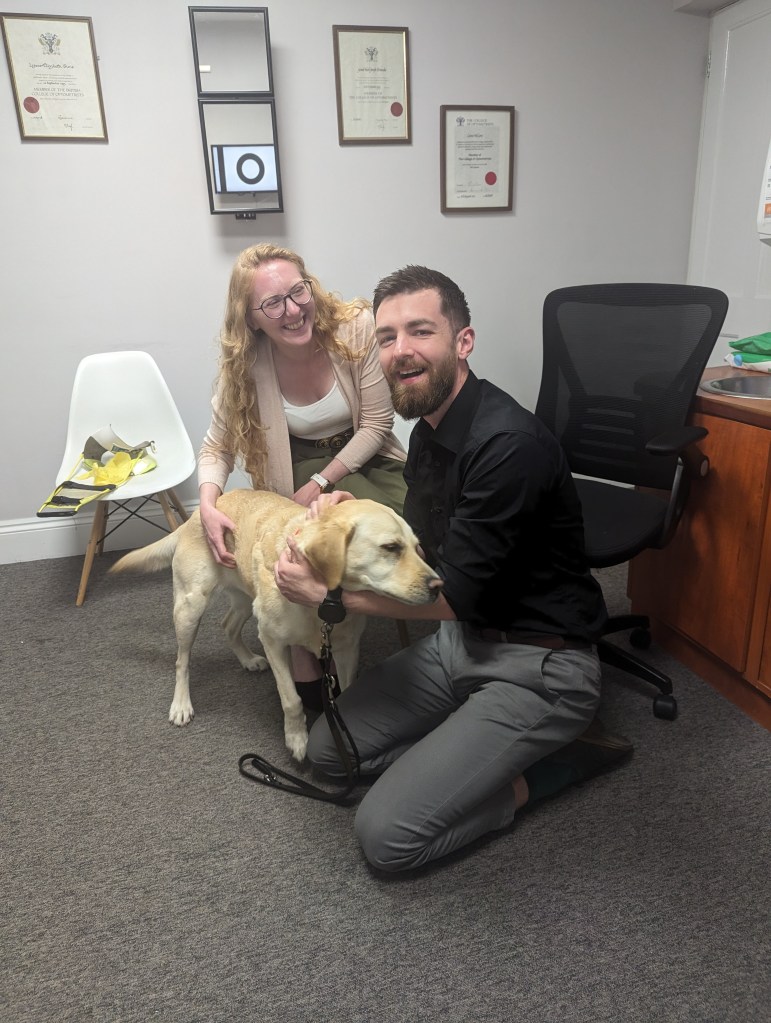
I thought back to my time working with Esther, my speech therapist. She must’ve heard me explain dry eye disease so many times during rehab that she could probably give a CPD lecture on it by now. 😂
A Thoughtful Return
I eased back into work gently, starting on reduced hours, which helped manage the mental load. The company supported me with extended testing times: 40-minute appointments, pre-testing done beforehand, and a 10-minute admin buffer between patients.
It was the perfect pace. And for the optoms reading this, yes, it really was as lovely as it sounds. (It reminded me of being a pre-reg)
It gave me space to be thorough, steady, and human. It also gave my returning patients, many of whom had been waiting a while to see me, the time they needed for a quick catch-up. This was a double-edged sword, as I didn’t always do well at ‘protecting my chi.’
The Real World Creeps Back In
But, of course, the real world eventually crept back in. Extended testing times couldn’t & wouldn’t last forever. As I gradually reduced them, the usual challenges returned, skipping lunch, staying late, getting caught up in referrals or complex cases. It’s part of the job, and usually I’d just roll with it, but this time around, the stakes were different. Skipping lunch and working late pushed me closer to seizure territory. And that was dangerous ground. Also more worryingly record keeping proved to be a consistent headache. Initially I found it significantly harder to write detailed notes while actively listening to patients.
Finding New Ways to Work
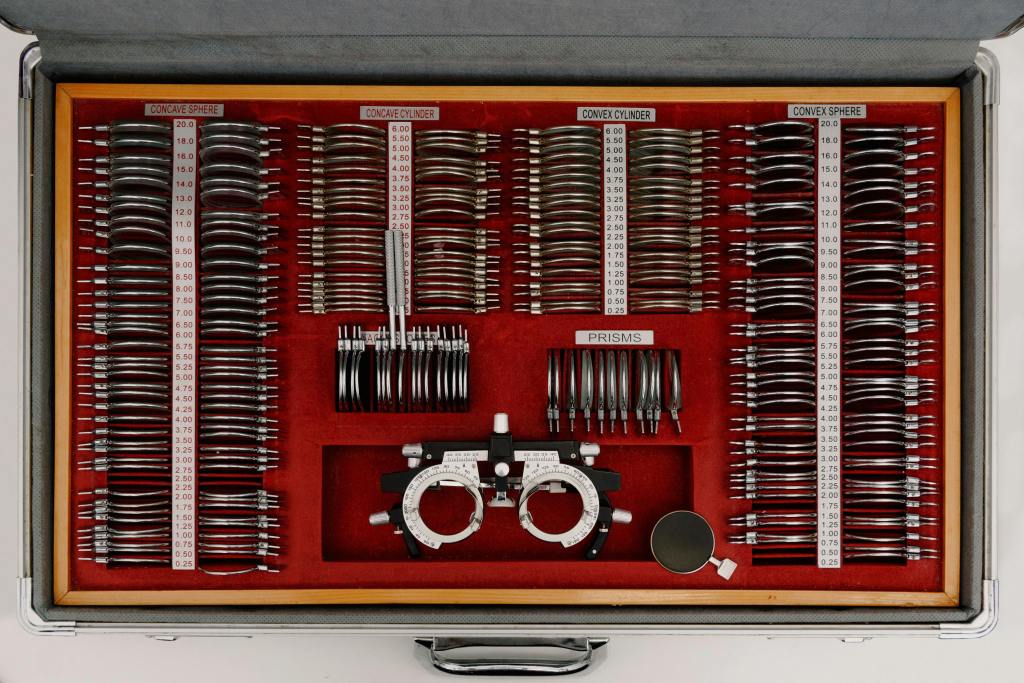
With support and suggestions from fellow optometrists, I discovered a few strategies that really helped. One key adjustment was becoming more flexible with the order in which I conducted my clinical examinations. This allowed me to better match my cognitive flow and gave me more space to document effectively. It took time and patience to refine this approach, but by the end of the process, I felt that my notes were actually stronger than they had been before my surgery. The extra effort was worth it; it made me a better optometrist.
As far as seizures go, thankfully, we had a solid protocol in place. All the staff were trained in what to do in the event of a seizure. And I’m proud to say that, in work to date, there’s only been one near-miss where it didn’t progress into a proper seizure.
Outside of work, my seizures have been somewhat harder to manage, typically occurring between 6 and 7pm every two to four weeks, which is fairly typical for me. They are still horrible to go through, being fully awake and all, but more so to witness. Jessica deserves a medal and has seen the majority of them, handling them calmly, with compassion and nerves of steel.
My neurology team continues to try to adjust my medication, though we have not quite found the right balance yet. I suppose I am just a tricky case; they call this Non-refractory Epilepsy. But I remain hopeful that one day things will stabilise. There definitely seems to be a sweet spot in how much energy I allow myself to invest in work, how I manage stress, and how frequently the seizures occur.

Supported, Not Smothered
Throughout all of this, I worked closely with Rebecca Donnelly, our Clinical Lead Optometrist, and Adam, my line manager. We kept up a schedule of regular check-ins, sometimes weekly, sometimes bi-monthly, and they gave me a space to voice concerns, flag any hiccups, and gradually build my workload at a pace that worked for everyone, while providing really useful feedback themselves. Lynne was also keeping an eye on me from afar, carrying out her HR check-ins from time to time. This gave me enough space without feeling overwhelmed. I’ve been lucky to return to a workplace that allowed me to be fairly autonomous and independent, while still providing support when and where I needed it.
Reclaiming My Why
It’s fair to say I’ve had plenty of time to reflect on my return to optometry, especially with the fresh perspective I’ve gained over the past two years. I’ve been able to really question my “why.” Why do I do this work? What do I enjoy about it? Does it still give me a sense of fulfilment? And, is this something I want to do for the rest of my life? Those are all great questions to ask yourself in general, not just after a life-changing diagnosis.
What I found was a renewed connection to the joy that came from helping others. Like many clinicians, I once believed the greatest satisfaction came from problem-solving, clinical precision, and that deep sense of competence. And those things still matter. But what I’ve come to realise is that the heart of the work, the part that keeps me going, still comes from helping the patients themselves.
I’ve always been a patient-focused clinician. I’ve prided myself on being approachable, dynamic, and having an engaging and personable bedside manner. My aim has always been to ensure that each person leaves feeling fully cared for and satisfied at every stage of the process.
Moments That Stay With You
Now, I’ve begun to appreciate that connection on an even deeper level. Every patient brings something unique to the table, their own challenges, insights, beliefs, stories, and often, small fragments of life wisdom.
These encounters add richness, colour, and humanity to the job. I suppose we might call this “personality”, but in the truest and most meaningful sense. But it’s easy to miss if you’re not looking for it, especially when you’re stressed or under pressure.”
I’m trained and qualified to help with their various and wide ranging set of problems, and this year I’ve found a deeper contentment in simply doing that well.
My aim is always to ensure people leave fully informed, empowered to make the choices that are right for them and, ideally, without feeling too drained myself in the process. But more than that, I’ve learned to savour the small, often overlooked moments:

- The child with wide-eyed wonder at the 3D fly test for the first time
- The exhausted mother, who’s visibly relieved to hear her eyes are still healthy after a previous retinal detachment.
- The elderly gentleman, recently widowed, whose offhand remark, “That’s what life’s really about, anyway?” Which catches me off guard and lingers in my mind long after he’s gone.
These quiet, human exchanges, and the occasional moment of humour, are simple, fleeting, yet deeply felt. They are what make it all matter.
The patients haven’t changed,
I have.
So yes, Connor 2.0 has returned.
Not quite the same as before, maybe a bit more tired, a bit more careful, but still standing. Still serving. Still deeply grateful to be helping people, with people who have my back.
Connor 2.0 might speak more slowly. He might guard his energy a little more. He might trip over his words now and then.
But he’s also stronger, more resilient, more empathetic, and more aligned with what matters most.
And I think I’m finally okay with that.
JustGiving
Some of my good friends have set up a JustGiving page for me. It’s truly an honour and a privilege to have such thoughtful and generous people in my life.
If you’d like to donate to it, here’s the link.

About my Story
I am committed to bringing you my true, raw and unfiltered experiences living with a brain tumour. Expect a humorous take on a gritty and often difficult subject. Through the lens of positivity, I examine the daily struggles and challenges of those of us living with brain tumours.
I aim to advocate, educate and shed light on an often misunderstood subject.
Newsletter
Subscribe now to keep up to date with my blog and all the happenings in the world of brain tumours.

 Eye Am Connor
Leave a comment